Admissions open for 2026-2027
Counselling Code : 1503





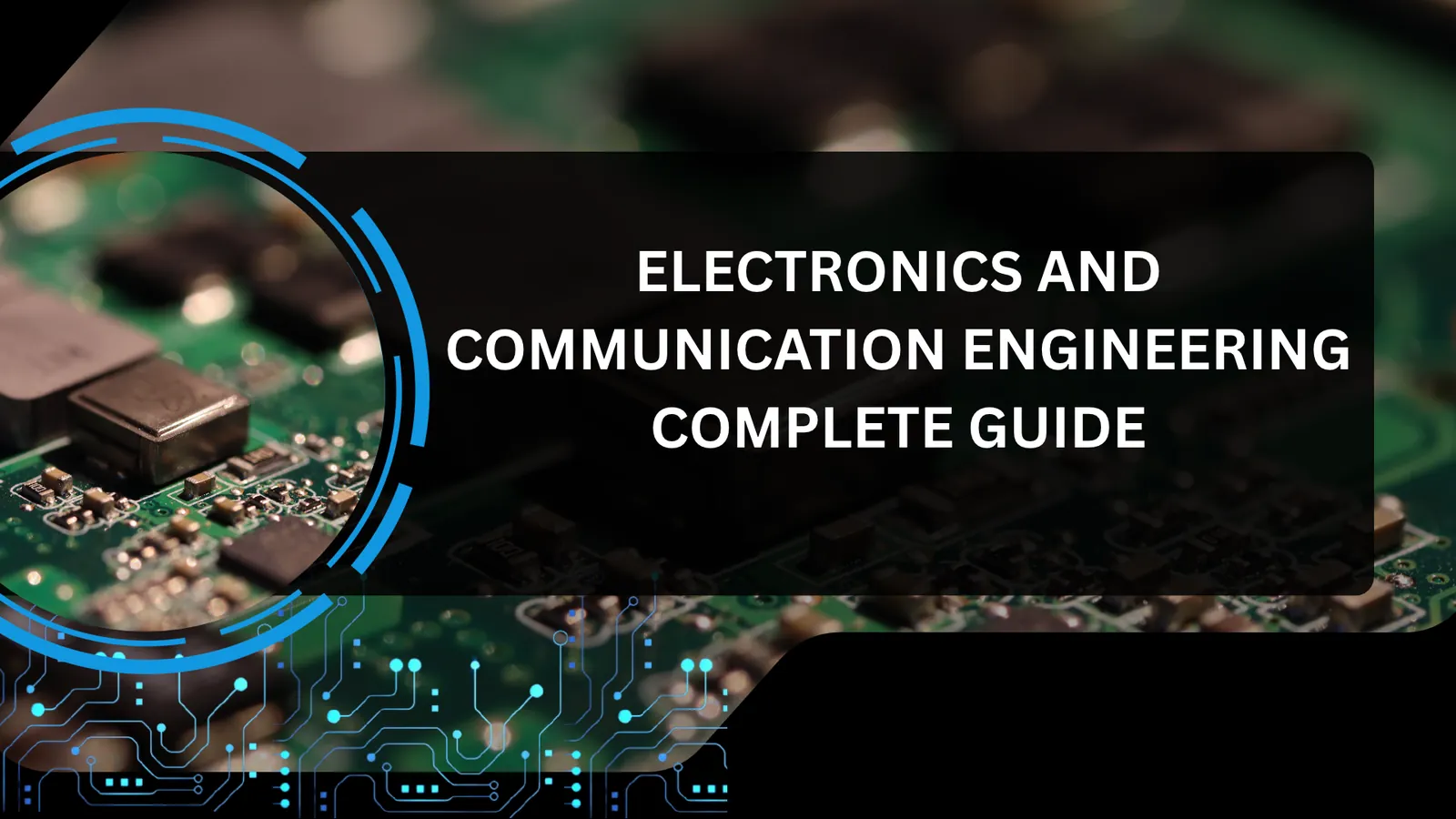
Choosing the right engineering course is an important decision for students planning a career in technology. B.E. Electronics and Communication Engineering (ECE) is an undergraduate engineering programme that focuses on electronic devices, communication systems, digital technology, and modern electronic applications. It combines theoretical concepts with practical learning to help students understand the technologies used in everyday life.
For students exploring engineering colleges in Kanchipuram, understanding the course structure, eligibility requirements, subjects, and career opportunities can help them make an informed decision about their future.
B.E. Electronics and Communication Engineering is generally a four-year undergraduate programme that teaches students how electronic circuits, communication networks, signal processing systems, and digital devices operate.
The course covers both hardware and selected software-related concepts. Students learn about electronic components, microprocessors, wireless communication, embedded systems, and other technologies used in industries such as telecommunications, electronics manufacturing, automation, and information technology.
The programme is suitable for students interested in mathematics, physics, electronics, communication technologies, and solving technical problems.
The standard duration of a B.E. Electronics and Communication Engineering programme is four years, divided into eight semesters.
During the course, students generally study foundational engineering subjects before progressing to specialised ECE topics. Laboratory sessions, technical assignments, and engineering projects help students apply classroom knowledge to practical situations.
The exact semester structure and curriculum depend on the university regulations applicable to the college.
The curriculum typically includes fundamental engineering concepts and specialised subjects related to electronics and communication technology.
Some common subjects are:
Students may also complete laboratory experiments, technical seminars, mini-projects, and final-year projects. These activities help develop analytical thinking, practical knowledge, and technical confidence.
Students interested in pursuing B.E. Electronics and Communication Engineering generally need to complete higher secondary education with Mathematics and the required science subjects.
Eligibility conditions, minimum qualifying marks, and admission procedures depend on applicable university and government regulations.
Before applying, students should check the latest admission guidelines and confirm the programme's availability with their preferred engineering college.
Electronics and Communication Engineering helps students develop technical and professional skills that can be useful in different engineering roles.
Building these skills through practical experience can help students prepare for further studies and employment opportunities.
Graduates can explore opportunities across electronics, telecommunications, manufacturing, networking, and technology-related industries. The roles available depend on technical skills, practical experience, and employer requirements.
Common career options include:
1. Electronics Engineer
Electronics engineers work with electronic circuits, devices, equipment, and systems. Their responsibilities may include design, testing, maintenance, and performance evaluation.
2. Communication Engineer
Communication engineers work with communication technologies and systems used to transmit information. Depending on their role, they may support wireless networks, communication equipment, or signal transmission systems.
3. Embedded Systems Engineer
Embedded systems engineers work with hardware and software integrated into electronic products. Their work may involve microcontrollers, firmware, and device-level applications.
4. Hardware Design Engineer
Hardware design engineers help develop and test electronic circuits, components, and hardware systems for different applications.
5. VLSI Design Engineer
VLSI professionals work with integrated circuit design and semiconductor technologies. Additional specialised training may be useful for students pursuing this career path.
6. Testing and Quality Engineer
Testing and quality engineers evaluate electronic products and systems to check whether they meet technical specifications and quality requirements.
7. Network Engineer
Network engineers work with communication infrastructure, connectivity, and network systems. Relevant networking knowledge and certifications may support entry into this field.
Students who want to continue their education can consider postgraduate programmes and specialised technical courses.
Possible options include:
Students should select a specialisation based on their interests, academic background, and long-term career goals.
Electronics and Communication Engineering graduates can explore opportunities in several sectors, including:
Internships, practical projects, technical certifications, and communication skills can help students understand industry requirements and prepare for relevant positions.
ECE connects fundamental engineering principles with technologies used in modern communication and electronic devices. Students gain an understanding of how electronic systems operate and how communication technologies support businesses, industries, and everyday activities.
The course may be a suitable option for students who enjoy science, mathematics, electronic devices, and hands-on technical learning. It also offers opportunities to explore specialised areas such as embedded systems, semiconductor technology, wireless communication, and automation.
Students should compare the curriculum, laboratory facilities, faculty expertise, project opportunities, and admission requirements of different colleges before making their choice.
Students looking for engineering education in Kanchipuram can explore Arulmigu Meenakshi Amman College of Engineering (AMACE) to learn about its academic programmes and admission information.
Before choosing a course, prospective students should verify the current availability of B.E. Electronics and Communication Engineering, the applicable eligibility requirements, and the admission process directly with the college.
Frequently Asked Questions
1. What is the duration of B.E. Electronics and Communication Engineering?
The programme generally takes four years to complete and is usually divided into eight semesters.
2. What are the main subjects in ECE?
Common subjects include electronic devices and circuits, digital electronics, communication systems, signal processing, microprocessors, embedded systems, and VLSI design.
3. What are the career options after completing B.E. ECE?
Graduates can explore roles such as electronics engineer, communication engineer, embedded systems engineer, hardware design engineer, testing engineer, and network engineer.
4. Is programming included in Electronics and Communication Engineering?
Yes. Students may study programming fundamentals, microprocessors, microcontrollers, and embedded systems, depending on the curriculum.
5. Can ECE graduates pursue higher studies?
Yes. They can consider postgraduate programmes and specialised courses in electronics, communication systems, embedded technology, VLSI design, and related fields.
6. How can students choose the right ECE college in Kanchipuram?
Students should compare the available programmes, curriculum, laboratory facilities, faculty, practical training opportunities, eligibility criteria, and admission information before applying.